What Affects the Cost of Radiator Installation and Service in Telford?
By Thomas Shillingford

What affects the cost of radiator installation and service?
If you are planning radiator installation in Telford, the final cost depends on much more than the radiator itself. The property, existing pipework, heating system and scope of the work all need to be considered before an accurate quote can be prepared.
A straightforward radiator replacement may involve limited work, while installing additional radiators or improving an older central heating system can require more planning and preparation. Understanding the main cost factors helps homeowners compare quotations properly and avoid unexpected changes later.
1. The size and type of radiator
Radiators come in different sizes, outputs, shapes and finishes. A larger room generally needs more heat than a small bedroom, although insulation, windows and room use also affect the required output.
The replacement radiator should be correctly sized for the room. Choosing one based only on appearance can leave a space too cold or cause the heating system to work harder than necessary. Column radiators, designer radiators and compact models can also involve different material and installation requirements.
For homeowners in Telford, a heating engineer can assess the existing radiator and recommend a suitable replacement based on the room and the wider central heating system.
2. Whether the radiator is being replaced or newly installed
Replacing an existing radiator is often more straightforward because the pipework is already in place. The position, valve connections and radiator dimensions still need to be checked, but the installation may involve less disruption.
Installing a radiator in a new location is a different job. New pipework may need to be routed beneath floors, through walls or around other parts of the property. Access can be particularly important in older homes around Telford and Shrewsbury, where floor construction, extensions and previous alterations may affect how the work is completed.
The number of radiators also matters. A single replacement is assessed differently from a larger project involving several rooms, a renovation or a change to the entire central heating layout.
3. The condition of the existing pipework
Old or damaged pipework can affect both the installation process and the performance of the new radiator. Corrosion, restricted flow, leaking joints or unsuitable connections may need attention before the radiator can be fitted correctly.
If pipework is concealed, access may involve lifting flooring or opening sections of wall. If it is exposed, the work may be simpler, but the finish and position of the pipes still need to be considered.
A heating engineer should check whether the existing valves, brackets and connections are suitable rather than assuming that every new radiator can be fitted directly in place.
4. Radiator valves and heating controls
The choice of valves can change the overall scope of a radiator installation. Manual valves are simple to operate, while thermostatic radiator valves allow individual rooms to be controlled more effectively.
Thermostatic controls can help prevent rooms from overheating and may improve day-to-day heating management. In some homes, radiator work is also an opportunity to review thermostats and heating controls more widely, particularly if the current system is difficult to control or heats rooms unevenly.
The cost will depend on the number and type of valves required, as well as whether any additional control wiring or adjustments are needed.
5. The condition of the central heating system
A radiator that is cold at the top, cold at the bottom or slow to heat may not need replacing. The underlying issue could be trapped air, sludge, poor circulation, a faulty valve or an imbalance across the system.
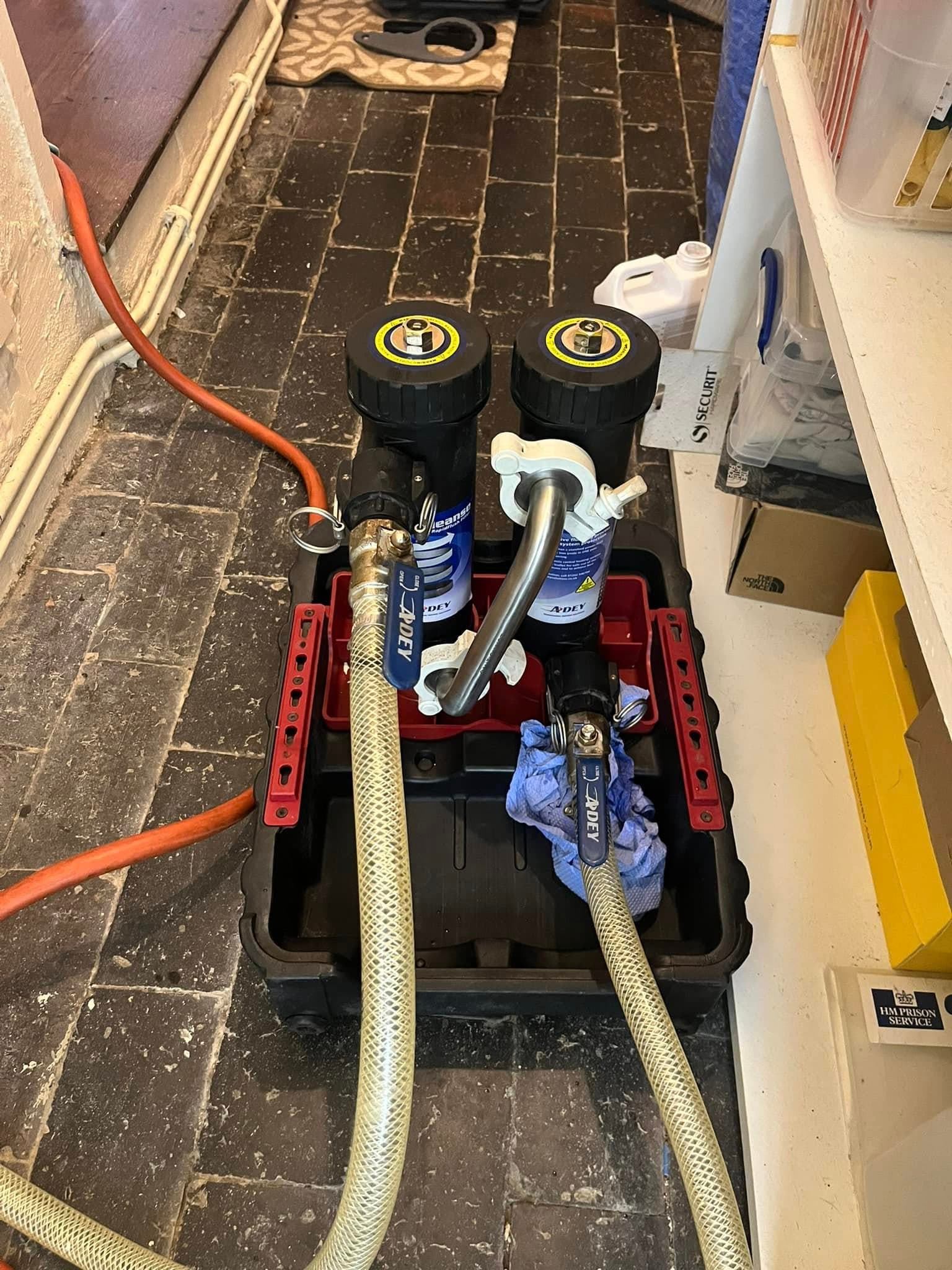
Where several radiators are affected, power flushing and system cleaning may be more appropriate than replacing individual radiators. This process is intended to address deposits and contamination within the heating system, although the right approach depends on the condition and design of the installation.
A heating engineer may also need to check the boiler, pump and system pressure when diagnosing radiator problems. Repairing the cause can be more effective than repeatedly replacing components that are not actually at fault.
6. Access, property type and making good
Access has a direct effect on the time and preparation involved. A radiator in an open ground-floor room may be relatively accessible, while work in a furnished room, loft conversion or tight hallway can require more protection and preparation.
Older properties in Telford, Newport and Bridgnorth may have different pipework layouts from newer homes. Flats, rental properties and larger buildings can also involve additional access arrangements or coordination with property managers.
If walls or flooring need to be opened to reach pipework, the quotation should make clear what is included in the installation and what may need to be completed separately afterwards.
7. The wider heating work involved
Radiator installation can form part of a wider heating project. For example, a homeowner may be replacing a boiler, altering a central heating system, upgrading controls or improving hot water arrangements at the same time.
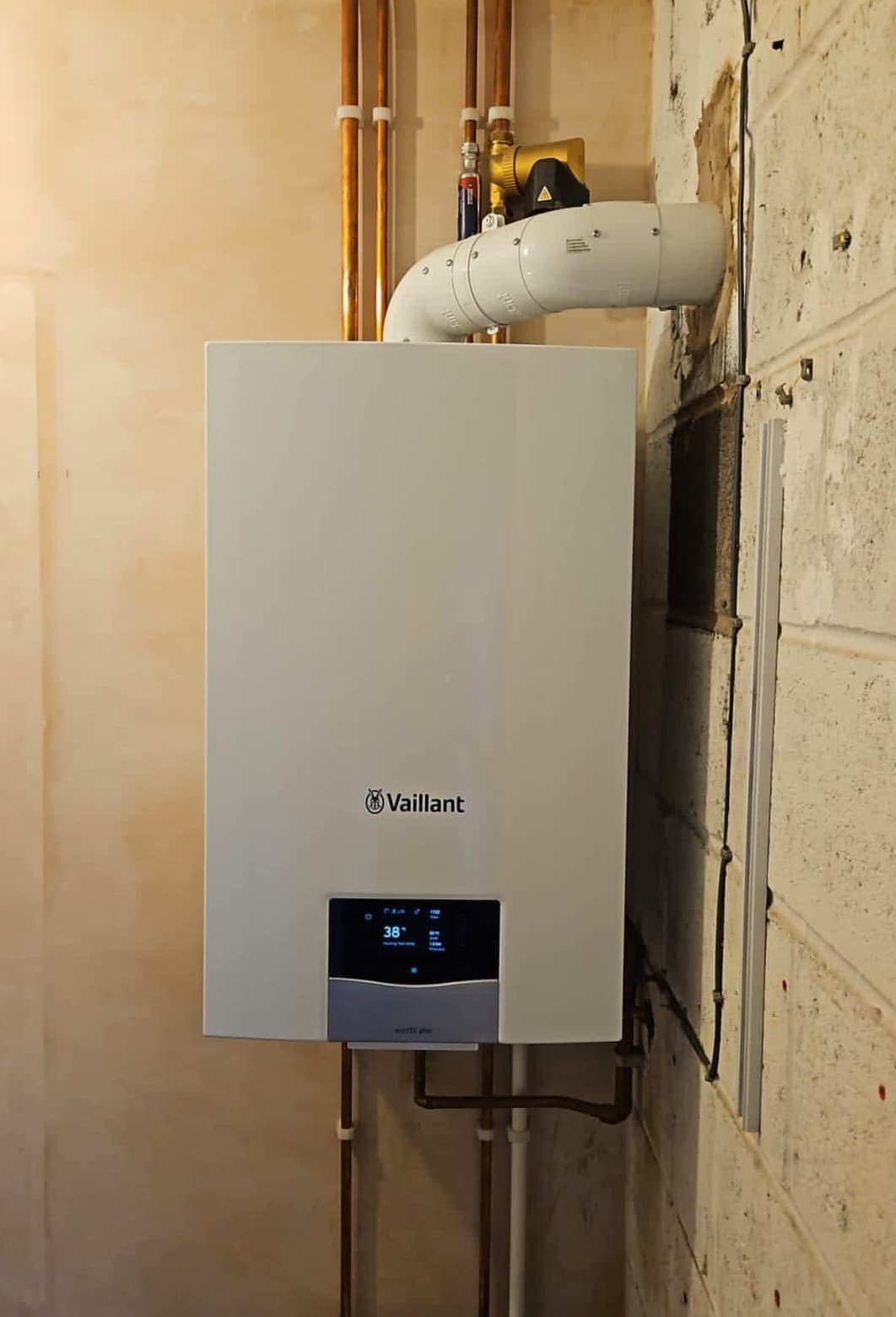
The scope may also include boiler servicing, boiler repair or system checks where radiator performance is linked to the boiler. Where a new boiler is being considered, the existing radiators should be assessed to ensure that the system is properly planned as a whole.
TJS Heating & Gas Services Ltd provides radiator installation and service, power flushing and system cleaning, boiler installation and replacement, boiler servicing, boiler repair and central heating systems for customers across Telford and surrounding areas including Shifnal, Market Drayton, Wombourne, Dudley and Wolverhampton.
How to get an accurate radiator installation quote
Before requesting a quote, note which radiators are affected, whether the problem occurs when the heating is on, and whether there are signs of leaking, corrosion or unusual noise. Photos can also help explain the existing layout, although an assessment may still be needed before the work is confirmed.
Ask for the quotation to identify the radiator models, valves, pipework changes, system cleaning and any access-related work included. Materials, property type and the size of the project can all affect the final figure, so a proper assessment is more useful than a generic estimate.
For urgent heating problems, same-day callouts are available. Gas-related work should be carried out by a Gas Safe registered engineer, particularly where the radiator issue is connected to the boiler or wider gas heating system.
If you need radiator installation or radiator service in Telford, Shrewsbury, Newport, Shifnal, Market Drayton, Bridgnorth, Wombourne, Dudley or Wolverhampton, contact TJS Heating & Gas Services Ltd to discuss the work and request a clear quotation.